

From questions to claims, a dedicated C&S account manager is ready to handle all of your car, truck, and motorcycle insurance needs. Let’s get started today.
From questions to claims, a dedicated C&S account manager is ready to handle all of your car, truck, and motorcycle insurance needs. Let’s get started today.
What to Do If You’re in an Accident Out of State
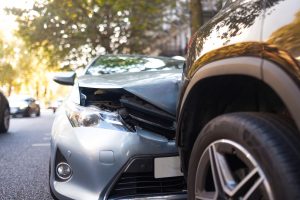
If you’re planning to take a road trip or rent a vehicle during an upcoming vacation, it’s a good idea to brush up on auto insurance facts and procedures to follow in the event of an accident.
The last thing you want to happen during your trip is a car crash, but accidents do happen, especially during the period between Memorial Day and Labor Day. Before you head out, be sure to review your auto policy on your own or with your insurance agent to verify that you’ll be covered in different states or while driving a rental car.
Read on to learn how to handle out-of-state accidents with your car insurance provider.
Steps to Take After an Out-of-State Auto Accident
If you get into an auto accident in a different state, stay calm, stay at the scene of the accident, and call 911. If you or somebody else is injured, seek medical attention immediately.
Requirements for Calling 911 After a Car Crash by State
For accidents more serious than a minor fender bender, calling 911 should always be your first priority. If people in either vehicle are injured, it’s legally required.
That said, even if no one is injured, it’s often necessary to call 911 for cases of property and/or vehicle damage. Different states have different requirements for 911 calls if property or vehicle damage occur. For example:
- In Massachusetts, Maine, Rhode Island, Connecticut, or New Hampshire, if property damage estimates are $1,000 or more, you must call 911.
- In Vermont, you must call the police if damage appears to be $3,000 or greater.
- In New York, you are not required to call 911 unless the crash causes injuries. However, you must notify the police if you cause damage to a parked vehicle.
Regardless of the state you are in, officers will document important facts about the crash in a police report that you can use to support your insurance claim later. Obtain a copy of the police report to include with your claim.
Document Medical Information
If you or a passenger needs medical help after an accident, obtain medical records and paperwork from the treating physician. Providing as much documentation as possible is key when filing an auto insurance claim.
Exchange Information With the Other Driver
When a car accident involves two or more vehicles, you need to exchange information with the other driver. Write down their name, address, driver’s license number, registration number, and insurance information.
Never admit fault to the other driver. Limit the conversation and avoid discussing how the accident happened.
If any witnesses are present, get their contact information. They could provide helpful information for your insurance claim or any potential lawsuits. If you have a dashcam, pull and save the footage for the claims adjuster.
Take Photos and Videos
After an accident, it’s always a good idea to take photos and videos of damage to property, damage to vehicles, road conditions, traffic signs, injuries, and any other factors that may impact your insurance claim.
At-Fault vs. No-Fault States
If you get into an accident, whether the state you’re driving in is an at-fault or no-fault state will impact your claim.
In states operating under an at-fault system, drivers involved in an accident can seek benefits from the at-fault driver’s insurance company. In other words, if someone hits your car in an at-fault state, you can receive a payout from their insurer. At-fault states in the Northeast include:
- Maine
- New Hampshire
- Vermont
- Connecticut
- Rhode Island
In no-fault states, each driver’s insurance pays for their own expenses regardless of who caused the accident. The no-fault system is designed to reduce the time and costs associated with resolving accidents. No-fault states in the Northeast include Massachusetts and New York.
Some states are considered choice no-fault states. In these states, drivers choose whether to operate their policy under the no-fault or at-fault system. Choice no-fault states in the northeast include Pennsylvania and New Jersey.
For a rundown of which states throughout the country follow which system, check out this chart:
| State | System |
| Alabama | At-fault |
| Alaska | At-fault |
| Arizona | At-fault |
| Arkansas | At-fault |
| California | At-fault |
| Colorado | At-fault |
| Connecticut | At-fault |
| Delaware | At-fault |
| Florida | No-fault |
| Georgia | At-fault |
| Hawaii | No-fault |
| Idaho | At-fault |
| Illinois | At-fault |
| Indiana | At-fault |
| Iowa | At-fault |
| Kansas | No-fault |
| Kentucky | Choice no-fault |
| Louisiana | At-fault |
| Maine | At-fault |
| Maryland | At-fault |
| Massachusetts | No-fault |
| Michigan | No-fault |
| Minnesota | No-fault |
| Mississippi | At-fault |
| Missouri | At-fault |
| Montana | At-fault |
| Nebraska | At-fault |
| Nevada | At-fault |
| New Hampshire | At-fault |
| New Jersey | Choice no-fault |
| New Mexico | At-fault |
| New York | No-fault |
| North Carolina | At-fault |
| North Dakota | No-fault |
| Ohio | At-fault |
| Oklahoma | At-fault |
| Oregon | At-fault |
| Pennsylvania | Choice no-fault |
| Rhode Island | At-fault |
| South Carolina | At-fault |
| South Dakota | At-fault |
| Tennessee | At-fault |
| Texas | At-fault |
| Utah | No-fault |
| Vermont | At-fault |
| Virginia | At-fault |
| Washington | At-fault |
| West Virginia | At-fault |
| Wisconsin | At-fault |
| Wyoming | At-fault |
Contacting Your Insurer After an Accident
When contacting your insurer after getting into an out-of-state car accident, provide all the necessary details, including where the accident happened and what damage was caused.
The more documentation you provide, the better your claim will be. Photos, videos, medical documents, witness statements, and police reports are all extremely helpful for building your case.
What Your Insurer Will Do
If you get into an accident out of state, your insurer should still cover damages to your vehicle or your rental car. You can always review your policy details for confirmation, and to determine if there are any differences in how your insurer covers your vehicle or rental car in different states.
If you are found to be at fault for an accident, your liability coverage will likely pay for the medical expenses and property damage for which you’re liable. It may also pay for your legal defenses, including lawyer fees and court costs. Auto liability coverage is typically a legal requirement in every state (except New Hampshire).
If you also carry personal injury protection coverage, you will most likely receive a payout for your own medical bills, lost wages, and any essential services provided for you and your passengers following an accident.
If you opted to purchase collision coverage, your insurer might also pay to repair damage to your own vehicle.
In an at-fault state, if the other driver is found to be responsible for the accident, their liability coverage will likely pay for your accident-related expenses, such as property damage and medical expenses (up to their policy’s limits).
Auto Insurance for New England
C&S Insurance has helped individuals, families, and businesses stay covered since 1959. If you’re looking for ways to save on auto insurance or want to maximize coverage to meet your needs, get in touch with our team today.