
From questions to claims, a dedicated C&S account manager is ready to handle all of your car, truck, and motorcycle insurance needs. Let’s get started today.
From questions to claims, a dedicated C&S account manager is ready to handle all of your car, truck, and motorcycle insurance needs. Let’s get started today.
Hit a Deer? What Auto Insurance Covers
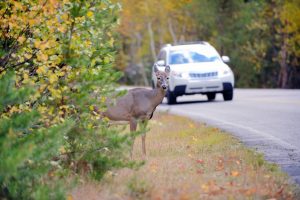
Auto accidents involving deer happen particularly often from October through December, between dusk and dawn, and on high-speed rural roads. Fortunately, if you have comprehensive coverage as a part of your auto insurance policy, the damage your car sustains from hitting a deer or other animal is typically covered. But it’s important to review the details of your policy with an agent to understand what you’re responsible for and what your insurer will pay.
In this blog post, our insurance experts answer the most commonly asked questions about deer accidents, including what’s covered, how hitting a deer impacts your premium, and how it affects your driving record. We also cover tips to avoid hitting deer and steps to take if you do get into an auto accident involving an animal.
Does Liability Insurance Cover Hitting a Deer?
Yes, auto insurance typically covers damage to your vehicle from a deer strike if you have comprehensive coverage.
While most drivers add comprehensive coverage to their policies, it isn’t required unless you lease or finance your car. If you only have liability coverage, damage to your own vehicle isn’t covered.
In general, comprehensive coverage can protect you from repair costs if:
- You hit a deer on the road
- A deer runs into your car
- An animal, such as a racoon or rodent, burrows into your car (depending on circumstances)
When you hit a deer, you will need to pay your comprehensive deductible before coverage kicks in and pays the rest. If your car is totaled because of the collision, your comprehensive coverage can pay out the actual cash value of your car, minus the deductible.
What Else Is Covered by Comprehensive Coverage?
Generally, comprehensive coverage shields you from the cost of sudden, unexpected events not caused by traffic accidents. In addition to animal strikes, this can include weather damage, theft, fire, vandalism, and explosions.
Are Injuries From a Deer Accident Covered by Auto Insurance?
If you get injured in the accident, your medical bills will likely be covered by medical payments coverage or personal injury protection (PIP). However, if you lack these coverages as part of your auto policy, you will need to rely solely on your health insurance.
How Does Insurance Classify Hitting a Deer?
Animal strikes may be classified as not-at-fault accidents by insurance companies. However, your premium could still increase after hitting a deer.
What Happens If You Hit Another Vehicle or Object?
If you swerve to avoid hitting a deer or other animal, you might hit another vehicle, collide with an object, or overturn your car. In any of these cases, you would need collision coverage to cover damage to your vehicle. Drivers who have comprehensive coverage usually also have collision coverage. However, you should review your policy details to be certain.
In cases where you swerve to avoid hitting an animal and hit another driver, you could be found at fault by your insurer. At-fault accidents can raise your premium by roughly $1,000 per year.
Do You Have to Call the Police When You Hit a Deer?
Yes, you should always call the police after hitting a deer. A deer that’s been struck by a vehicle can pose a danger to other drivers, so the police should be called to ensure the road is safe.
Does Hitting a Deer Go on Your Driving Record?
No, deer strikes won’t end up on your driving record, unless you also hit another person’s vehicle or property. However, it will be added to your claims history by your insurance company and could potentially raise your rates.
Tips to Avoid Deer Strikes
Stay safe from deer strikes by following the rules of the road and heeding these safety tips:
- Slow down and stay alert if you see a single deer. There are likely more nearby since they frequently travel in groups.
- Pay attention if you see a deer crossing sign (yellow and diamond-shaped with an outline of a deer on it), especially at night.
- Always use your headlights when driving at night. Turn on your high beams while traveling on dark, unlit roads when no other vehicles are nearby.
What to Do When You Hit a Deer
If you find yourself involved in an accident involving a deer (or other animal that results in damage to your car), follow these steps to stay safe, get in touch with the proper authorities, and receive a payout from your insurance company.
- Pull over to the side of the road. Stay away from the animal, turn on your hazards, and remain inside until it’s safe to get out.
- Call the police. Let them know if the animal is blocking the road or posing a safety hazard to other drivers.
- Document the accident. When it’s safe, take photos of the road, surroundings, damage to your vehicle, and any injuries. If another driver witnesses the collision and stops to help you, get their contact info and their written account of the incident.
- Contact your insurance company to file a claim. Provide the photos and videos you took, as well as any witness statements.
- Make sure your car is safe to drive. Look out for leaking fluids, broken lights, or a hood that won’t stay shut. If any of these signs are present, call for roadside assistance.
Car Insurance in New England
Looking for ways to save on auto insurance or help understanding what your policy covers in the event you hit a deer? Get in touch with an agent at C&S Insurance today.