

Ensure that you’re protected — no matter the situation. Visit our service page to learn more and get a free quote.
Ensure that you’re protected — no matter the situation. Visit our service page to learn more and get a free quote.
Closing Your Pool: Tips for the End of Pool Season
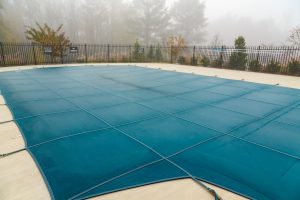
When September rolls around and temperatures begin to cool, it’s time for New England pool owners to start thinking about closing their pools for the season.
Following proper end-of-season maintenance advice is important for protecting pools from corrosion, scaly build-up, algae, and other issues. And neglecting to follow fall pool care steps can lead to costly homeowner’s insurance claims.
Read on to get the answers to your questions about fall pool maintenance and pool closing tips.
When Should You Close Your Pool?
For New England-based pool owners, the best time to close your pool depends on the weather and where you live. Generally, it’s a good idea to cover your pool before leaves start falling, so you can avoid unnecessary skimming and vacuuming. If you live inland, plan to close earlier than coastal pool owners since temperatures tend to fall more quickly here.
You will need at least one week to test your water and prepare your pool for closing, so check forecasts regularly starting in mid-September. To leave yourself enough time to close your pool, start the process at least a week before overnight air temperatures are expected to dip below freezing (32°F).
Should You Empty Your Pool at the End of Summer?
Generally, it’s not a good idea to empty your pool before you close it. Draining your pool can cause a build-up of hydrostatic pressure, which can destroy in-ground concrete pools.
Instead, you should follow the measures outlined below to keep your water clean, balanced, and below a certain level before installing your pool cover.
How to Clean & Prepare Your Pool for Closing
Before closing your pool, remove any pool toys, clean out your skimmer baskets, and skim debris out of the water.
It’s also a good idea to give your pool a more thorough cleaning by using a scrub brush on the walls and floor. Get into tight spaces, and if necessary, use an algae brush to remove algal blooms.
After scrubbing down your pool, and right before you close it, vacuum the floor thoroughly to remove any debris. Before vacuuming, check your pool’s filters to determine whether it has a waste indicator or not. If there is no waste indicator, make sure your vacuum is kept only on the “filter” position.
How to Test & Treat Your Pool Before Closing
Testing and treating your pool water before closing is necessary to protect against corrosion and scaly build-up while it’s covered throughout the winter.
Begin by testing your water with a test kit. Then, balance pH, calcium hardness, and total alkalinity levels so your pool water’s pH is between 7.2 and 7.6, calcium hardness is between 180 and 120 ppm, and total alkalinity is between 80 and 120 ppm.
If you live in a colder climate — like we do in New England — you’ll need to add a winterizing chemical kit to your pool. This is because the water can become corrosive to your pool’s lining when temperatures dip below freezing. Winterizing chemical kits might not be necessary for pools in some southern states.
Lower Your Pool’s Water Levels for Closing
Before closing your pool, it’s common practice to drain a few inches of water. How much water you need to take out of your pool depends on the type of pool cover you use:
- Vinyl-lined covers: Lower the water level to at least one inch below the skimmer mouth (you may need to lower the water level further if you live in an area where the fall and winter bring heavy snow or rain).
- Solid material covers with a painted/natural finish: Lower the water level to six inches below the skimmer mouth.
- Solid material cover with a plaster finish: Adjust the water level to between one and six inches below whichever is lower, the tile line or skimmer mouth.
- Automatic cover: Lower the water level so that it’s roughly level with the bottom of the skimmer mouth.
To remove water from your pool, use a submersible pump or your pool’s filter system.
Winterize Plumbing & Equipment
It’s also important to winterize the plumbing and equipment connected to your pool to prevent freezing and cracks. To safeguard both, take the following steps:
- Disconnect the pump and filter, and store them indoors if possible
- Blow out any water from the plumbing lines
- Use winterizing plugs to block water from re-entering the pool
- Install Your Pool Cover
No matter which type of pool cover you have, using it during fall and winter doesn’t just protect your pool from debris like falling leaves; it also helps ensure the safety of children, pets, and wild animals in your backyard.
Protect Your Pool & Home in New England
If you’re a pool owner in New England, ensuring your pool (and the rest of your home) is covered by your insurance policy brings peace of mind year-round. Get in touch with an agent at C&S Insurance today to learn more about pool coverage and find ways you can save on your homeowner’s policy.